Understanding Plastic Parts in the Manufacturing and Molding Industry
Time:
2024-12-25 09:40
Source:
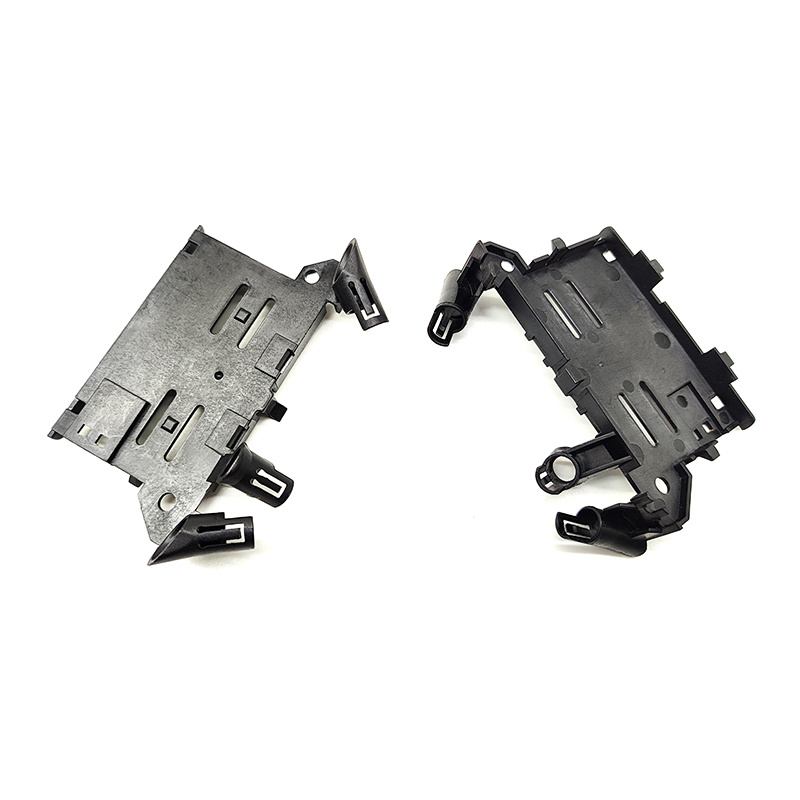
In the manufacturing and molding industry, plastic parts play a pivotal role in a wide range of applications—from automotive components to household items. The ability to mold plastic into complex shapes allows manufacturers to create lightweight and durable products that fulfill various functional requirements. Understanding the properties and processes associated with plastic parts is essential for professionals in this field.
Plastic parts are typically produced through processes such as injection molding, blow molding, and extrusion. Among these, injection molding is the most commonly used method, where plastic pellets are heated until they melt and are then injected into a mold to form the desired shape. This method offers high precision and can produce large volumes of parts with consistent quality, making it ideal for mass production.
One of the main advantages of using plastic parts is their weight-to-strength ratio. Plastics can be engineered to provide the necessary strength while keeping the overall weight of the product low. This is particularly important in industries like automotive and aerospace, where reducing weight can lead to improved fuel efficiency and performance. Additionally, plastic parts often exhibit resistance to corrosion, chemicals, and moisture, making them suitable for use in challenging environments.
When selecting materials for plastic parts, manufacturers have a wide variety of options, including polycarbonate, polypropylene, and nylon. Each material possesses unique characteristics, such as thermal stability, flexibility, and impact resistance, which can influence the performance of the final product. It is crucial to select the right material based on the specific application and environmental conditions the part will face.
Sustainability is also a growing concern in the manufacturing sector. Many industries are now exploring biodegradable plastics and recycling methods to reduce waste. Innovations in material science aim to develop more sustainable options that do not compromise performance, thereby addressing environmental issues while maintaining efficiency in production.
As technology progresses, the future of plastic parts in manufacturing looks promising. Advancements in 3D printing and additive manufacturing are revolutionizing how plastic parts are designed and produced. These technologies allow for rapid prototyping and the production of intricate geometries that were previously difficult to achieve with traditional methods.
In conclusion, understanding the intricacies of plastic parts is vital for professionals in the manufacturing and molding industry. By leveraging the advantages of plastic materials and staying informed about technological advancements, manufacturers can produce high-quality products that meet the evolving demands of the market.
Plastic parts are typically produced through processes such as injection molding, blow molding, and extrusion. Among these, injection molding is the most commonly used method, where plastic pellets are heated until they melt and are then injected into a mold to form the desired shape. This method offers high precision and can produce large volumes of parts with consistent quality, making it ideal for mass production.
One of the main advantages of using plastic parts is their weight-to-strength ratio. Plastics can be engineered to provide the necessary strength while keeping the overall weight of the product low. This is particularly important in industries like automotive and aerospace, where reducing weight can lead to improved fuel efficiency and performance. Additionally, plastic parts often exhibit resistance to corrosion, chemicals, and moisture, making them suitable for use in challenging environments.
When selecting materials for plastic parts, manufacturers have a wide variety of options, including polycarbonate, polypropylene, and nylon. Each material possesses unique characteristics, such as thermal stability, flexibility, and impact resistance, which can influence the performance of the final product. It is crucial to select the right material based on the specific application and environmental conditions the part will face.
Sustainability is also a growing concern in the manufacturing sector. Many industries are now exploring biodegradable plastics and recycling methods to reduce waste. Innovations in material science aim to develop more sustainable options that do not compromise performance, thereby addressing environmental issues while maintaining efficiency in production.
As technology progresses, the future of plastic parts in manufacturing looks promising. Advancements in 3D printing and additive manufacturing are revolutionizing how plastic parts are designed and produced. These technologies allow for rapid prototyping and the production of intricate geometries that were previously difficult to achieve with traditional methods.
In conclusion, understanding the intricacies of plastic parts is vital for professionals in the manufacturing and molding industry. By leveraging the advantages of plastic materials and staying informed about technological advancements, manufacturers can produce high-quality products that meet the evolving demands of the market.
Plastic-parts
Related news
2024-11-15