The Cost-Effectiveness of Plastic Parts in Production Lines: A Comprehensive Analysis
Time:
2024-12-27 09:40
Source:
The Cost-Effectiveness of Plastic Parts in Production Lines: A Comprehensive Analysis
Table of Contents
- Introduction to Plastic Parts in Production Lines
- Cost Benefits of Using Plastic Components
- Key Material Properties of Plastics
- Applications of Plastic Parts Across Industries
- Sustainability and Environmental Considerations
- Advancements in Manufacturing Technology
- Case Studies: Successful Implementation of Plastic Parts
- Future Trends in Plastic Parts Utilization
- Conclusion: The Future of Cost-Effective Production
- FAQs About Plastic Parts in Production
Introduction to Plastic Parts in Production Lines
In today's fast-paced manufacturing environment, the quest for cost-effective solutions is more critical than ever. **Plastic parts** have emerged as a viable alternative to traditional materials, providing significant advantages in terms of **cost**, **weight**, and **flexibility**. This article delves into the economic benefits of incorporating plastic components into production lines, examining why manufacturers across various sectors are making the shift.
Cost Benefits of Using Plastic Components
The primary reason companies consider plastic parts is their **cost-effectiveness**. Several factors contribute to this economic advantage:
Reduction in Material Costs
Compared to metals and other materials, plastic is often less expensive. This reduction in material costs is particularly beneficial for manufacturers producing items in large quantities. Moreover, the versatility of plastic allows for the creation of complex shapes without incurring additional costs.
Lower Manufacturing Costs
Plastic parts typically require less energy to manufacture than metal components. The injection molding process, for example, can produce high volumes of parts quickly, leading to lowered labor and overhead costs. Additionally, the shorter production times associated with plastic manufacturing further enhance its cost-effectiveness.
Decreased Transportation Costs
Due to their lightweight nature, plastic parts are easier and less expensive to transport. This characteristic not only reduces shipping costs but also allows for more efficient logistics management, ultimately contributing to lower overall operational costs.
Key Material Properties of Plastics
Understanding the material properties of plastics is crucial for manufacturers looking to optimize their production lines. Here are some key characteristics:
Durability and Resistance
Many plastics exhibit excellent resistance to chemicals, moisture, and temperature variations, making them suitable for use in various environments. This durability leads to **reduced replacement costs** and minimizes downtime typically associated with component failures.
Lightweight and Versatile
The low density of plastics allows for the development of lightweight products that do not compromise strength. This versatility opens up numerous design possibilities, enabling engineers to create innovative solutions tailored to specific applications.
Ease of Machining and Assembly
Plastic components are easier to machine and assemble compared to their metal counterparts. Many plastics can be easily molded into intricate shapes, allowing for complex designs that can enhance the functionality of the final product.
Applications of Plastic Parts Across Industries
Plastic parts are utilized in a diverse range of industries, showcasing their versatility and adaptability. Here are some notable applications:
Automotive Industry
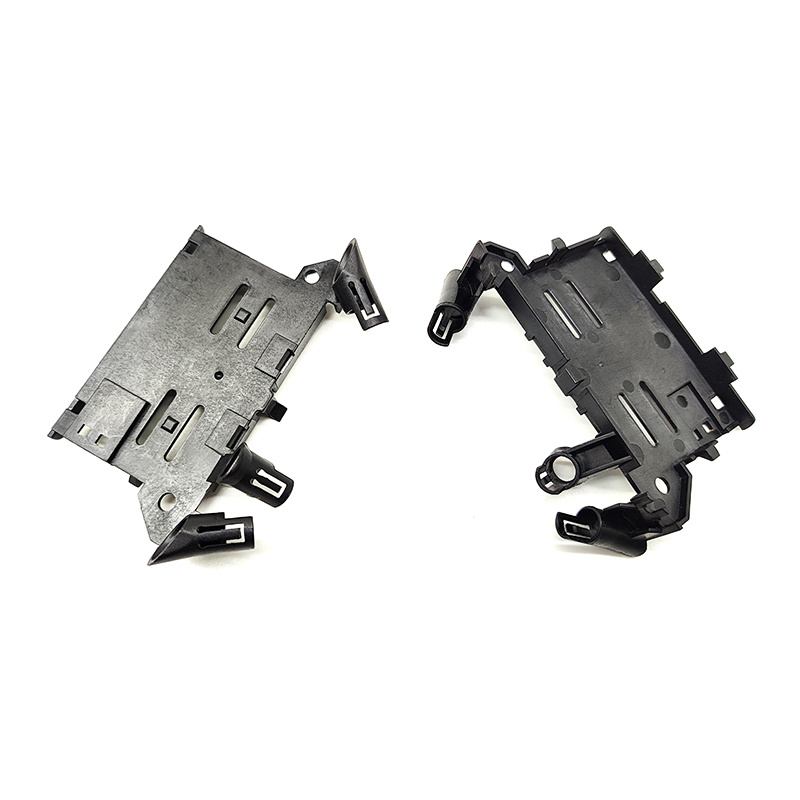
In the automotive sector, plastic parts are extensively used for interior components, bumpers, and dashboards. Their lightweight nature contributes to improved fuel efficiency while also reducing manufacturing costs.
Consumer Electronics
Plastic is a preferred material for producing durable and lightweight components in consumer electronics, such as smartphones and laptops. The aesthetic appeal of plastics also allows for a wide range of colors and finishes.
Medical Devices
The medical industry benefits from the use of plastics due to their biocompatibility and ease of sterilization. Plastic parts are crucial in the manufacturing of medical devices, packaging, and disposables.
Sustainability and Environmental Considerations
As environmental concerns continue to grow, the sustainability of materials has become a significant focus for manufacturers. Here’s how plastics are adapting:
Recyclability
Many plastics are recyclable, contributing to reducing waste and conserving resources. Companies are increasingly investing in **closed-loop recycling** processes to minimize their carbon footprint.
Innovative Bioplastics
The emergence of bioplastics has opened new avenues for sustainable production. Derived from renewable resources, bioplastics offer environmentally friendly alternatives without compromising performance.
Lightweight Solutions for Energy Conservation
The lightweight properties of plastic contribute to energy conservation during both transportation and use. Lighter products require less energy to transport and have lower emissions during their lifecycle.
Advancements in Manufacturing Technology
The advancements in manufacturing technology, particularly in the realm of plastics, have played a crucial role in enhancing the cost-effectiveness of production lines.
3D Printing
3D printing technologies have revolutionized the production of plastic parts, allowing for rapid prototyping and customization. This reduces lead times and costs associated with traditional manufacturing methods.
Advanced Injection Molding Techniques
Innovations in injection molding, such as multi-material molding and improved mold designs, have enabled manufacturers to produce complex and high-quality plastic components more efficiently.
Automation and Robotics
The integration of automation and robotics in plastic production lines has streamlined processes, reducing labor costs and minimizing human errors. This results in higher efficiency and better product consistency.
Case Studies: Successful Implementation of Plastic Parts
To illustrate the effectiveness of plastic parts in production lines, we examine a few industry case studies:
Aerospace Components
An aerospace manufacturer adopted plastic components for interior fittings, resulting in a 30% weight reduction and significant cost savings in fuel consumption over the lifecycle of aircraft.
Home Appliances
A leading home appliance company switched to plastic components for their product lines, achieving a 25% decrease in production costs and improved product durability, leading to higher customer satisfaction.
Packaging Solutions
A packaging company implemented bioplastics for their products, leading to a reduction in waste by 40% and receiving positive feedback from environmentally conscious consumers.
Future Trends in Plastic Parts Utilization
Looking ahead, several trends are poised to shape the future of plastic parts in production lines:
Increased Use of Smart Plastics
Smart plastics embedded with sensors will become more prevalent, allowing for real-time monitoring of product performance and enhancing the functionality of applications in various industrial settings.
Expansion of Circular Economy Practices
The shift towards a circular economy will promote the use of recyclable and bio-based plastics, ensuring sustainable practices are integrated throughout the production process.
Growth in Customized Solutions
As consumer preferences evolve, the demand for customized plastic components will rise, pushing manufacturers to adopt more flexible and adaptable production methods.
Conclusion: The Future of Cost-Effective Production
The cost-effectiveness of plastic parts in production lines is undeniable. With their numerous advantages—ranging from lower material and manufacturing costs to increased durability and sustainability—plastic components have become an essential part of modern manufacturing. As technology continues to advance, we expect to see even greater integration of plastics, leading to innovative solutions that align with both economic and environmental goals. Embracing this shift will not only enhance production efficiency but also contribute to a more sustainable future for industries worldwide.
FAQs About Plastic Parts in Production
1. What are the primary advantages of using plastic parts in production lines?
The primary advantages include cost savings, lightweight characteristics, durability, and ease of manufacturing and assembly, making them ideal for various applications.
2. Are plastic parts environmentally friendly?
Many plastics are recyclable, and the development of bioplastics offers sustainable alternatives, contributing to reduced environmental impact.
3. How do plastic parts compare to metal components in terms of cost?
Plastic parts are generally less expensive than metal components, leading to significant cost savings in both material and manufacturing processes.
4. What industries benefit the most from the use of plastic parts?
Industries such as automotive, consumer electronics, medical devices, and packaging significantly benefit from the use of plastic components.
5. What is the future of plastics in manufacturing?
The future of plastics in manufacturing includes the rise of smart plastics, increased use of recyclable materials, and a focus on customized production solutions to meet consumer demands.
Plastic parts
Related news
2024-11-15