
Understanding Low Volume Molding: A Game Changer in Plastic Manufacturing
Time:
2025-03-24 11:40
Source:
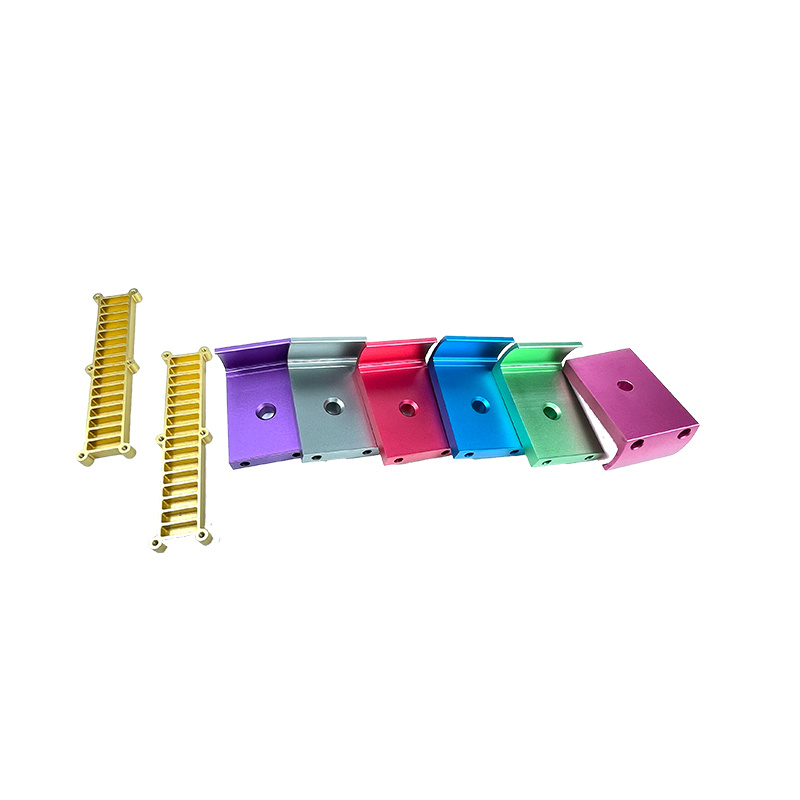
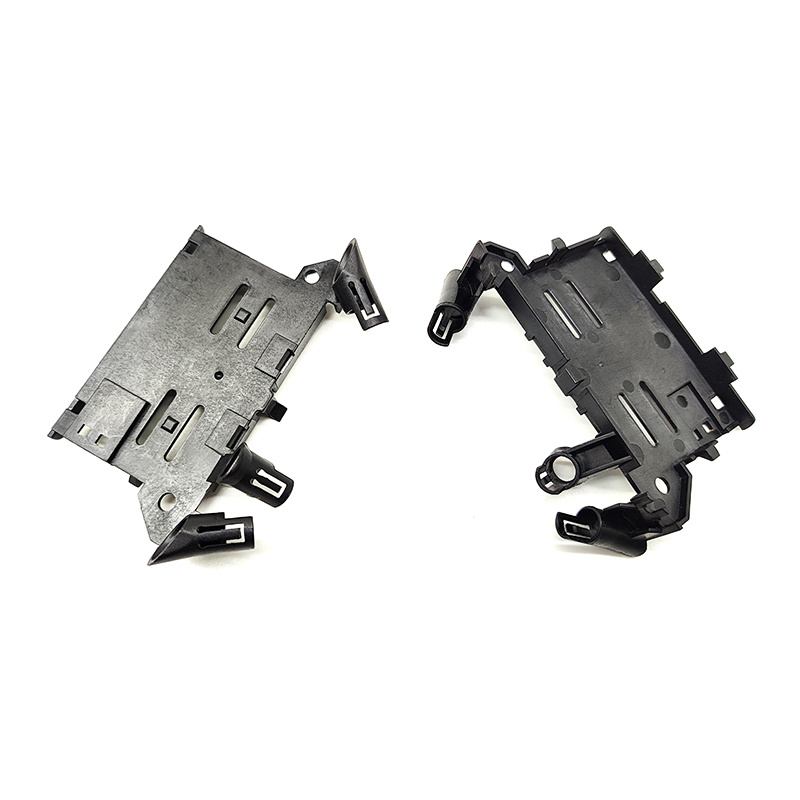
Low volume molding is a specialized manufacturing technique that caters to the production of small quantities of plastic parts. Unlike traditional high-volume injection molding, which is often cost-prohibitive for smaller runs due to the expense of mold creation and setup, low volume molding offers a more flexible and economical alternative. This method is ideal for prototypes, limited editions, and small batch production, allowing businesses to bring their ideas to life without the burden of large upfront investments.
One of the key advantages of low volume molding is its speed. The process allows for rapid production, enabling companies to quickly iterate on designs and make adjustments based on feedback. This agility is particularly valuable in industries where time-to-market is critical, such as electronics and automotive sectors. By utilizing low volume molding, manufacturers can produce functional prototypes and test them in real-world conditions, leading to better product development outcomes.
Another significant benefit of low volume molding is the reduction in waste. Traditional molding processes often require extensive material use and can lead to significant scrap during production. In contrast, low volume molding can be tailored to minimize waste by optimizing the design and using advanced materials that are more efficient. This not only helps in conserving resources but also aligns with the growing demand for sustainable manufacturing practices.
Material versatility is also a hallmark of low volume molding. Manufacturers can choose from a wide range of plastics, including thermoplastics and thermosetting resins, to meet specific application requirements. This flexibility allows for the production of parts with varying properties, such as increased strength, flexibility, or heat resistance, catering to diverse industry needs.
In addition to its functional advantages, low volume molding supports innovation. Startups and small businesses often struggle to compete with larger corporations due to resource constraints. However, low volume molding provides a pathway for these entities to develop and test new ideas without the financial risk associated with high-volume production. By democratizing access to advanced manufacturing techniques, low volume molding fosters creativity and encourages the development of novel products.
In conclusion, low volume molding is an invaluable technique in the manufacturing of plastic components. Its blend of speed, material efficiency, and flexibility makes it an attractive choice for businesses looking to innovate and respond to market demands. As technology continues to evolve, embracing low volume molding can give companies a competitive edge in a rapidly changing landscape. Whether you are a seasoned manufacturer or a newcomer to the industry, understanding the principles and applications of low volume molding can unlock new opportunities for growth and development.
One of the key advantages of low volume molding is its speed. The process allows for rapid production, enabling companies to quickly iterate on designs and make adjustments based on feedback. This agility is particularly valuable in industries where time-to-market is critical, such as electronics and automotive sectors. By utilizing low volume molding, manufacturers can produce functional prototypes and test them in real-world conditions, leading to better product development outcomes.
Another significant benefit of low volume molding is the reduction in waste. Traditional molding processes often require extensive material use and can lead to significant scrap during production. In contrast, low volume molding can be tailored to minimize waste by optimizing the design and using advanced materials that are more efficient. This not only helps in conserving resources but also aligns with the growing demand for sustainable manufacturing practices.
Material versatility is also a hallmark of low volume molding. Manufacturers can choose from a wide range of plastics, including thermoplastics and thermosetting resins, to meet specific application requirements. This flexibility allows for the production of parts with varying properties, such as increased strength, flexibility, or heat resistance, catering to diverse industry needs.
In addition to its functional advantages, low volume molding supports innovation. Startups and small businesses often struggle to compete with larger corporations due to resource constraints. However, low volume molding provides a pathway for these entities to develop and test new ideas without the financial risk associated with high-volume production. By democratizing access to advanced manufacturing techniques, low volume molding fosters creativity and encourages the development of novel products.
In conclusion, low volume molding is an invaluable technique in the manufacturing of plastic components. Its blend of speed, material efficiency, and flexibility makes it an attractive choice for businesses looking to innovate and respond to market demands. As technology continues to evolve, embracing low volume molding can give companies a competitive edge in a rapidly changing landscape. Whether you are a seasoned manufacturer or a newcomer to the industry, understanding the principles and applications of low volume molding can unlock new opportunities for growth and development.
low volume molding
Related news
2024-11-15