Revolutionizing the Industry: The Role of Automotive Plastic Molding
Time:
2025-03-27 10:20
Source:
Revolutionizing the Industry: The Role of Automotive Plastic Molding
Table of Contents
- 1. Introduction to Automotive Plastic Molding
- 2. What is Plastic Molding?
- 3. Advantages of Plastic Molding in Automotive Manufacturing
- 4. Key Technologies Driving Plastic Molding Innovations
- 5. Applications of Automotive Plastic Molding
- 6. Environmental Impact and Sustainability in Plastic Molding
- 7. Future Trends in Automotive Plastic Molding
- 8. Frequently Asked Questions (FAQs)
- 9. Conclusion: The Future of Automotive Plastic Molding
1. Introduction to Automotive Plastic Molding
Automotive plastic molding is not just a production method; it is a revolutionary approach that has transformed how vehicles are manufactured. In an industry that demands efficiency, cost reduction, and high-quality output, plastic molding emerges as a key player. **This process allows manufacturers to create complex shapes and designs with precision**, leading to the development of innovative automotive components.
The significance of automotive plastic molding lies in its ability to meet the evolving needs of the automotive market. As vehicles become more sophisticated, the demand for lightweight, durable, and cost-effective materials increases. **Plastic molding offers a solution to these challenges**, positioning itself as a cornerstone of modern automotive manufacturing.
2. What is Plastic Molding?
Plastic molding is a manufacturing process where plastic is heated until it becomes malleable, then formed into a desired shape using a mold. There are various types of plastic molding, including:
2.1 Injection Molding
Injection molding involves injecting molten plastic into a mold. This method is known for its high efficiency and ability to produce large volumes of parts with intricate details.
2.2 Blow Molding
Blow molding is primarily used for creating hollow parts, such as bottles and containers. In automotive applications, it is effective for producing large, lightweight components.
2.3 Rotational Molding
This technique is used to create large, hollow parts and is characterized by its low-pressure requirements, making it suitable for various automotive applications.
Each molding technique serves a specific purpose within the automotive industry, contributing to the overall versatility of plastic components.
3. Advantages of Plastic Molding in Automotive Manufacturing
The integration of plastic molding in automotive manufacturing brings numerous advantages, making it a preferred choice for manufacturers worldwide.
3.1 Weight Reduction
One of the most significant benefits of using plastic components is **weight reduction**. Lighter vehicles consume less fuel, leading to increased efficiency and reduced emissions. This is crucial as the automotive industry shifts towards sustainability.
3.2 Cost Efficiency
Plastic molding processes are generally more cost-effective than traditional metal forming methods. The reduction in material waste and the ability to produce complex geometries in a single step contribute to lower production costs.
3.3 Design Flexibility
Plastic molding allows for intricate designs that would be challenging to achieve with metals. This flexibility enables automotive designers to innovate and create unique components that enhance vehicle aesthetics and functionality.
3.4 Durability and Resistance
Modern plastics used in automotive applications often possess superior resistance to corrosion, chemicals, and impact. This durability extends the lifespan of automotive components and reduces maintenance needs.
4. Key Technologies Driving Plastic Molding Innovations
Technological advancements play a pivotal role in enhancing the capabilities of automotive plastic molding. Several innovations are shaping the future of this manufacturing process.
4.1 3D Printing Integration
The integration of **3D printing technology** into plastic molding allows for rapid prototyping and customization. This hybrid approach accelerates product development and enables manufacturers to adapt quickly to market changes.
4.2 Advanced Simulation Software
Utilizing advanced simulation software during the design phase helps identify potential issues before production begins. This technology minimizes defects and ensures a smoother manufacturing process.
4.3 Smart Manufacturing
The adoption of Industry 4.0 principles, including IoT (Internet of Things) devices and automation, has revolutionized plastic molding. Real-time monitoring and data analytics improve efficiency and reduce downtime.
5. Applications of Automotive Plastic Molding
Automotive plastic molding finds diverse applications across various vehicle components. Understanding its applications sheds light on its importance in the industry.
5.1 Interior Components
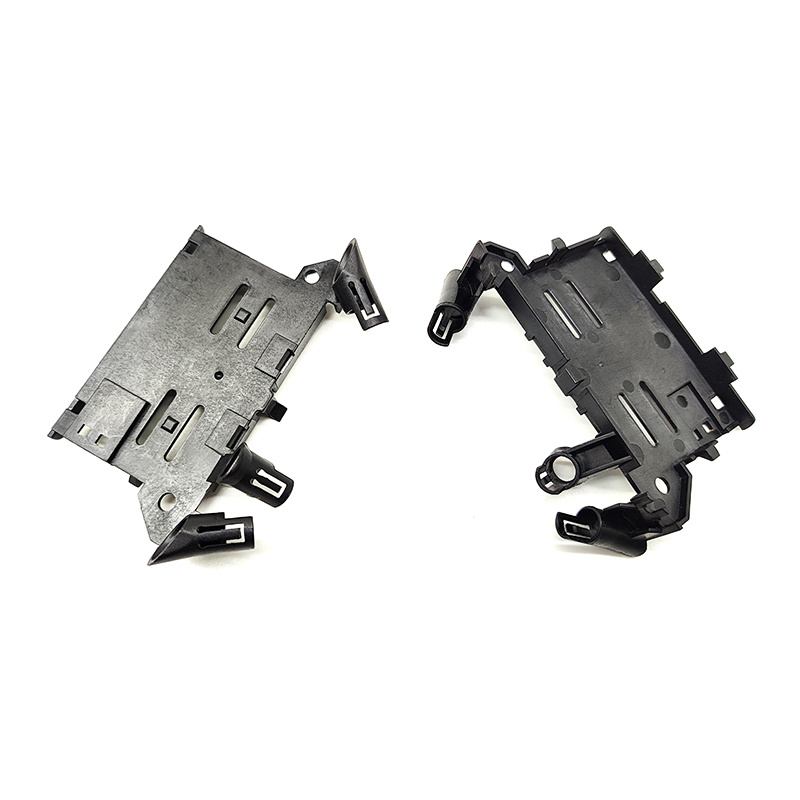
The automotive interior is filled with plastic parts, from dashboard panels to door trims. **Plastic molding enables the creation of ergonomic, aesthetically pleasing components** that enhance passenger comfort.
5.2 Exterior Components
Plastic components such as bumpers, grilles, and fenders provide lightweight alternatives to metal parts. They contribute to the vehicle's overall design while improving fuel efficiency.
5.3 Under-the-Hood Applications
Plastic molding is also utilized for under-the-hood components, such as air intake manifolds and engine covers. These parts benefit from heat resistance and reduced weight, enhancing engine performance.
6. Environmental Impact and Sustainability in Plastic Molding
As environmental concerns become more pressing, the automotive industry is under increasing pressure to adopt sustainable practices. Plastic molding contributes to this goal in several ways.
6.1 Recycling and Reusability
Modern plastics are designed with recyclability in mind. Automotive manufacturers are exploring ways to incorporate recycled plastics into new components, reducing the need for virgin materials.
6.2 Energy Efficiency
Plastic molding processes are often less energy-intensive than traditional manufacturing methods. By optimizing energy use, manufacturers can lower their carbon footprint and enhance sustainability efforts.
6.3 Lightweight Solutions for Emission Reduction
The reduction of vehicle weight through the use of plastic components directly correlates with lower emissions. This is a crucial aspect of meeting stringent environmental regulations.
7. Future Trends in Automotive Plastic Molding
Looking ahead, several trends are expected to shape the future of automotive plastic molding.
7.1 Increased Use of Bioplastics
With a growing emphasis on sustainability, the automotive industry is expected to see increased adoption of **bioplastics**. These materials are derived from renewable sources and can significantly reduce the environmental impact.
7.2 Enhanced Customization
As consumer preferences evolve, the demand for customized vehicles is rising. Plastic molding technology will continue to enable personalized designs, providing manufacturers with the flexibility to cater to individual tastes.
7.3 Integration of Smart Technologies
The future of automotive plastic molding will likely see the integration of smart technologies, such as embedded sensors in plastic components. This innovation can enhance vehicle functionality and performance monitoring.
8. Frequently Asked Questions (FAQs)
8.1 What is the main benefit of using plastic in automotive manufacturing?
**The primary benefit is weight reduction**, which leads to improved fuel efficiency and lower emissions. Additionally, plastic components are often more cost-effective and versatile than metal parts.
8.2 How does plastic molding compare to traditional manufacturing methods?
Plastic molding is generally faster and more cost-efficient than traditional methods, allowing for the production of complex parts without the need for extensive machining.
8.3 Are there environmental concerns related to plastic use in automotive manufacturing?
While plastics can contribute to environmental challenges, advances in recycling and the development of bioplastics are helping to mitigate these issues, promoting sustainability in the industry.
8.4 What role does technology play in automotive plastic molding?
Technology enhances the precision and efficiency of molding processes. Innovations such as 3D printing, smart manufacturing, and advanced simulation software are driving improvements in product quality and production speed.
8.5 Will electric vehicles impact the demand for automotive plastic molding?
Yes, the rise of electric vehicles is likely to increase the demand for lightweight materials, including plastics, as manufacturers seek to optimize battery performance and efficiency.
9. Conclusion: The Future of Automotive Plastic Molding
Automotive plastic molding represents a transformative force in the manufacturing industry, offering numerous benefits that align with the demands of modern vehicle production. Its ability to reduce weight, cut costs, and facilitate innovative designs makes it an indispensable tool for automotive manufacturers.
As the industry continues to evolve, the integration of new technologies and a focus on sustainability will further enhance the role of plastic molding in automotive manufacturing. Embracing these changes is crucial for manufacturers aiming to stay competitive in a rapidly changing market. The future of automotive plastic molding is bright, promising innovations that will shape the vehicles of tomorrow.
automotive plastic molding
Related news
2024-11-15