Exploring the Role of Injection Molding in the Automotive Industry: A Comprehensive Guide
Time:
2025-09-28 10:30
Source:
Exploring the Role of Injection Molding in the Automotive Industry
Injection molding has transformed the manufacturing landscape, particularly in the automotive industry. As vehicles become increasingly sophisticated, the demand for precision-engineered components has surged. This guide explores the intricacies of injection molding, its applications in automotive manufacturing, and the advantages it offers to manufacturers and consumers alike.
Table of Contents
- 1. Introduction to Injection Molding in Automotive
- 2. A Brief History of Injection Molding
- 3. The Injection Molding Process Explained
- 4. Benefits of Injection Molding in the Automotive Sector
- 5. Key Applications of Injection Molding in Automotive Manufacturing
- 6. Environmental Impact and Sustainability
- 7. The Future of Injection Molding in the Automotive Industry
- 8. Frequently Asked Questions
- 9. Conclusion
1. Introduction to Injection Molding in Automotive
Injection molding is a manufacturing process wherein molten material is injected into a mold to create specific shapes and forms. In the automotive industry, this technique is pivotal for producing a wide range of components, from small fixtures to large structural parts. The capability to produce complex geometries with high precision makes injection molding a preferred choice among automotive manufacturers.
2. A Brief History of Injection Molding
Injection molding has its origins in the early 19th century with the invention of the first molding machine by Elias Howe. However, it wasn't until the introduction of synthetic plastics in the mid-20th century that the process gained widespread application across various industries, particularly in automotive manufacturing. Over the decades, advancements in technology, materials, and machinery have refined injection molding, increasing its efficiency and capabilities.
3. The Injection Molding Process Explained
The injection molding process can be broken down into several key steps, each critical to ensuring the quality of the final product.
3.1. Common Materials Used in Injection Molding
Numerous materials can be utilized in injection molding, with plastics being the most prevalent. Common materials include:
- Polypropylene (PP): Known for its flexibility and chemical resistance, PP is widely used in automotive applications.
- Polycarbonate (PC): Valued for its impact resistance, PC is ideal for creating durable components.
- ABS Plastic: This material combines strength and lightweight properties, making it suitable for various automotive parts.
- Nylon (PA): Renowned for its strength and heat resistance, nylon is often used in functional components.
3.2. Equipment and Machinery for Injection Molding
The machinery used in injection molding includes:
- Injection Molding Machine: This machine is the heart of the process, where raw materials are melted and injected into molds.
- Molds: Custom-designed molds determine the shape of the final product and are typically made of steel or aluminum.
- Cooling Systems: These systems help to solidify the injected material quickly, ensuring high production rates.
4. Benefits of Injection Molding in the Automotive Sector
Injection molding offers numerous advantages, making it an essential process in the automotive industry:
- Precision and Consistency: Injection molding allows for the production of highly accurate parts, ensuring consistency across large production runs.
- Cost-Effectiveness: Once the mold is created, the cost per unit decreases significantly, especially for high-volume production.
- Complex Geometries: The process can easily create intricate designs that would be challenging with other manufacturing techniques.
- Material Versatility: A wide variety of materials can be used, allowing manufacturers to select the best options for their specific needs.
5. Key Applications of Injection Molding in Automotive Manufacturing
Injection molding plays a crucial role in the production of various automotive components. Here are some of the key applications:
5.1. Interior Components
Many interior components, such as dashboards, panels, and consoles, are produced using injection molding. These parts benefit from the ability to create complex shapes, textures, and finishes that enhance the overall aesthetic and functionality of the vehicle's interior.
5.2. Exterior Components
Injection molding is also used to manufacture exterior parts like bumpers, grilles, and fenders. These components require durability and resistance to environmental factors, both of which can be achieved through careful material selection and design.
5.3. Functional Parts and Systems
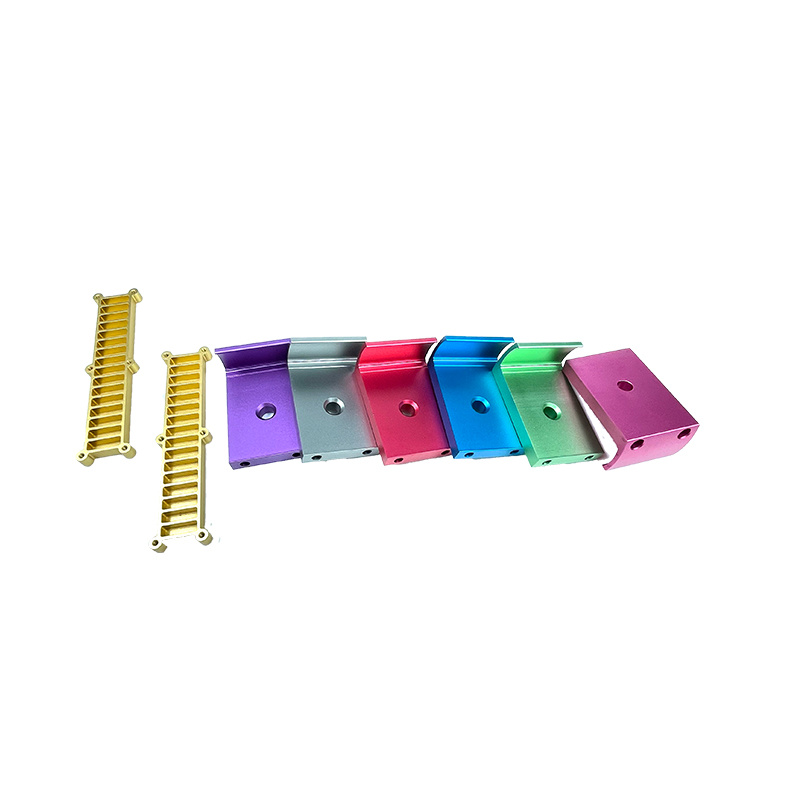
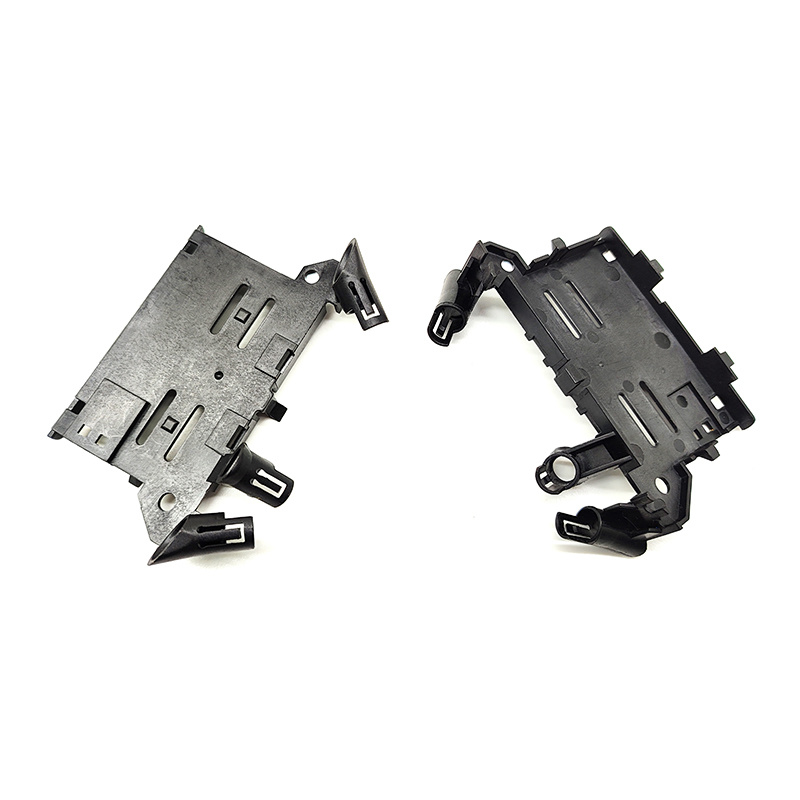
A plethora of functional parts, such as brackets, clips, and housings for electrical components, are produced through injection molding. The precision of the process ensures that these parts fit together seamlessly, a vital requirement for the safety and effectiveness of automotive systems.
6. Environmental Impact and Sustainability
With increasing environmental concerns, the automotive industry is under pressure to adopt sustainable manufacturing practices. Injection molding is evolving to meet these demands, with advancements in materials and recycling processes. Biodegradable plastics and the recycling of scrap materials from the manufacturing process are becoming more common, significantly reducing the environmental footprint.
7. The Future of Injection Molding in the Automotive Industry
The future of injection molding in the automotive sector looks promising. As technology continues to advance, we expect to see further improvements in efficiency, material properties, and design capabilities. The integration of automation and smart technologies will drive innovation, enabling manufacturers to optimize production processes and reduce costs.
8. Frequently Asked Questions
What is injection molding?
Injection molding is a manufacturing process in which molten material is injected into a mold to create specific shapes and parts, commonly used in various industries, including automotive.
What materials are typically used in injection molding for the automotive industry?
Common materials include polypropylene, polycarbonate, ABS plastic, and nylon, each chosen for their unique properties and suitability for different automotive applications.
How does injection molding benefit automotive manufacturing?
Injection molding provides precision, cost-effectiveness, the ability to create complex geometries, and material versatility, all of which are crucial for automotive manufacturers.
What are the environmental impacts of injection molding?
The industry is shifting towards more sustainable practices, including the use of biodegradable materials and recycling processes, to reduce the environmental impact of injection molding.
What advancements can we expect in injection molding technology?
Future advancements may include improved automation, smart manufacturing technologies, and enhanced materials that contribute to greater efficiency and sustainability in automotive production.
9. Conclusion
Injection molding is a cornerstone of the automotive manufacturing process, providing unparalleled advantages in precision, cost reduction, and material versatility. As the industry evolves, the role of injection molding will only become more integral, driving innovations that meet the challenges of modern automotive design and production. Manufacturers that embrace this technology will be well-positioned to thrive in a competitive landscape, delivering high-quality vehicles that meet consumer demands for performance, safety, and sustainability.
injection molding in automotive industry
Related news
2024-11-15