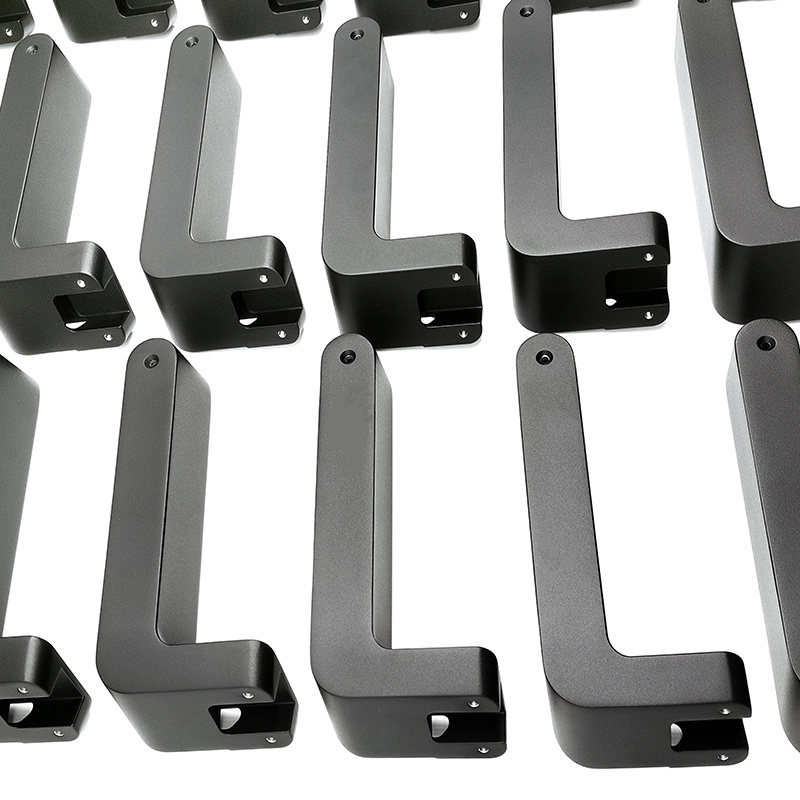

Sustainable Practices in Cheap Plastic Moulding: Eco-Friendly Options for the Future
Time:
2025-10-30 10:50
Source:
Sustainable Practices in Cheap Plastic Moulding: Eco-Friendly Options for the Future
Table of Contents
- Introduction to Sustainable Plastic Moulding
- Understanding Plastic Moulding Processes
- Environmental Impact of Traditional Plastic Moulding
- Eco-Friendly Materials for Moulding
- Sustainable Manufacturing Practices in Plastic Moulding
- Energy-Efficient Technologies in Plastic Production
- Recycling and Reusing in the Moulding Industry
- Regulatory Standards and Certifications for Sustainability
- The Future of Sustainable Plastic Moulding
- Conclusion
- FAQs
Introduction to Sustainable Plastic Moulding
In the era of heightened environmental awareness, the manufacturing sector, particularly plastic moulding, is undergoing significant transformation. Sustainable practices have emerged as crucial methodologies to mitigate the adverse effects associated with traditional manufacturing processes. This article delves into **sustainable practices in cheap plastic moulding**, offering eco-friendly options that align with both economic and environmental goals.
Understanding Plastic Moulding Processes
Plastic moulding is a widely used manufacturing process that involves shaping plastic materials into desired forms. This process typically involves several techniques, including injection moulding, blow moulding, and compression moulding. Understanding these techniques is essential for implementing sustainable practices effectively.
Injection Moulding
Injection moulding is the most common method for producing plastic parts. It involves injecting molten plastic into a mould, where it cools and solidifies. Though efficient, this method can lead to significant waste if not managed correctly.
Blow Moulding
Blow moulding is used primarily for creating hollow plastic parts, such as bottles. This technique can be adapted for sustainable practices, particularly in terms of raw material selection.
Compression Moulding
Compression moulding uses heat and pressure to form plastic materials. While this method can be energy intensive, it offers opportunities for improvement in sustainability through material choices and process optimizations.
Environmental Impact of Traditional Plastic Moulding
Traditional plastic moulding practices are notorious for their environmental footprint. The production of plastic contributes to several ecological issues, including pollution, high carbon emissions, and excessive waste generation.
Plastic Waste and Pollution
Plastic waste poses a significant threat to ecosystems, with a staggering proportion of plastic items ending up in landfills and oceans. This pollution not only harms wildlife but also disrupts local communities and economies.
Carbon Footprint
The carbon emissions associated with the extraction of raw materials and the production of plastics contribute to climate change. The industry must prioritize **reducing its carbon footprint** through more sustainable practices.
Eco-Friendly Materials for Moulding
Transitioning to eco-friendly materials represents a pivotal step in sustainable plastic moulding. Various alternatives to traditional plastics can significantly reduce environmental impact.
Bioplastics
Bioplastics, derived from renewable biomass sources, present a sustainable alternative to conventional plastics. They decompose more readily and can reduce reliance on fossil fuels.
Recycled Plastics
Utilizing recycled plastics not only conserves resources but also minimizes waste. Manufacturers can incorporate post-consumer or post-industrial plastics into their products without sacrificing quality.
Natural Fibers and Composites
Natural fibers, such as hemp, jute, and flax, can be combined with plastics to create eco-friendly composites. These materials offer enhanced strength while being more sustainable than traditional plastic materials.
Sustainable Manufacturing Practices in Plastic Moulding
Implementing sustainable manufacturing practices is essential for reducing the environmental impact of plastic moulding. Here are several strategies to consider:
Lean Manufacturing
Lean manufacturing focuses on minimizing waste while maximizing productivity. By optimizing processes, companies can reduce resource consumption and improve efficiency.
Water Conservation
Water is a critical resource in plastic production. Implementing water-saving technologies and practices can significantly decrease water usage and reduce operational costs.
Sustainable Supply Chain Management
A sustainable supply chain ensures that materials are sourced ethically and responsibly. Collaborating with suppliers who prioritize sustainability can enhance the overall environmental performance of the manufacturing process.
Energy-Efficient Technologies in Plastic Production
Investing in energy-efficient technologies is vital for sustainable plastic moulding. These technologies not only reduce energy consumption but also lower operational costs.
Advanced Machinery
Modern plastic moulding machines are designed to consume less energy while maintaining high production efficiency. Upgrading to these advanced systems can yield significant sustainability benefits.
Renewable Energy Sources
Incorporating renewable energy sources, such as solar or wind power, can offset energy consumption and reduce greenhouse gas emissions. This shift not only supports sustainability but also promotes long-term energy security.
Recycling and Reusing in the Moulding Industry
Recycling and reusing materials are key components of sustainable plastic moulding. By integrating these practices, manufacturers can significantly reduce waste and environmental impact.
Closed-Loop Systems
Implementing closed-loop systems allows manufacturers to recycle waste materials back into the production process. This approach minimizes waste generation and maximizes resource utilization.
Design for Disassembly
Creating products with disassembly in mind simplifies recycling at the end of their lifecycle. This practice encourages a circular economy, where materials are continuously reused and repurposed.
Regulatory Standards and Certifications for Sustainability
Adhering to regulatory standards and obtaining sustainability certifications can provide credibility to manufacturers committed to eco-friendly practices.
ISO 14001 Certification
ISO 14001 is an internationally recognized standard for environmental management systems. Achieving this certification demonstrates a company's commitment to sustainability and responsible environmental practices.
Recycling Certifications
Various certifications focus on recycling practices, ensuring that products meet specific environmental criteria. These certifications can enhance a company’s reputation and appeal to eco-conscious consumers.
The Future of Sustainable Plastic Moulding
The future of plastic moulding lies in innovation and sustainability. As technology advances, the industry can expect to see:
Increased Adoption of Sustainable Materials
The shift towards sustainable materials will continue, with an emphasis on bioplastics and recycled content, driving innovation in product development.
Enhanced Manufacturing Processes
The development of smarter manufacturing processes, utilizing AI and IoT, will improve efficiency and reduce waste, allowing for more sustainable practices across the board.
Conclusion
The journey towards sustainable plastic moulding is both challenging and crucial. By understanding the environmental impacts of traditional practices and embracing eco-friendly alternatives, the industry can significantly reduce its carbon footprint. Implementing sustainable materials, innovative technologies, and responsible manufacturing practices will not only benefit the environment but also enhance economic viability. As we collectively move towards a greener future, the importance of sustainability in plastic moulding cannot be overstated.
FAQs
What are the main environmental issues associated with plastic moulding?
The primary environmental issues include plastic waste, pollution, and high carbon emissions from traditional manufacturing processes.
How can bioplastics contribute to sustainability in plastic moulding?
Bioplastics are derived from renewable resources and are more biodegradable compared to conventional plastics, significantly reducing environmental impact.
What practices can manufacturers adopt to reduce waste during the moulding process?
Manufacturers can implement lean manufacturing principles, use closed-loop systems, and focus on recycling and reusing materials to minimize waste.
Why is energy efficiency important in plastic production?
Energy-efficient practices reduce operational costs and carbon emissions, contributing to a more sustainable and economically viable manufacturing process.
What certifications should companies seek to demonstrate their commitment to sustainability?
Companies should consider obtaining ISO 14001 certification for environmental management and other relevant recycling certifications to validate their sustainable practices.
cheap plastic moulding
Related news
2024-11-15