
Transform Your Ideas: Effective Prototype Tooling Techniques Explained
Time:
2024-11-09 10:00
Source:
1. Introduction
Good price and quality Prototype tooling serve as the fundamental building block for transforming conceptual ideas into tangible products. It involves creating a preliminary version of a product to test and refine its design, functionality, and manufacturability. This process not only allows designers and engineers to visualize their concepts but also helps identify potential flaws before moving on to mass production.
In today's fast-paced market, the ability to rapidly prototype and iterate designs has become increasingly crucial. Companies that master prototype tooling gain a competitive edge, enabling them to innovate more swiftly and effectively to meet consumer demands.
2. Importance of Prototype Tooling in Product Development
Good price and quality Prototype tooling play a pivotal role in product development for several reasons.
First, it significantly reduces the risk of costly mistakes during mass production. By identifying design flaws early in the process, companies can make necessary adjustments, leading to higher-quality final products.
Second, prototype tooling enhances collaboration among teams. Designers, engineers, and stakeholders can visualize the product, fostering better communication and understanding, which is essential for successful development.
Finally, effective prototype tooling accelerates the time-to-market. In a competitive landscape, getting products to consumers quickly can lead to better market positioning and increased sales.
3. Effective Prototype Tooling Techniques
To successfully transform ideas into prototypes, various tooling techniques can be employed. Each technique has its unique advantages and applications.
3.1 Additive Manufacturing (3D Printing)
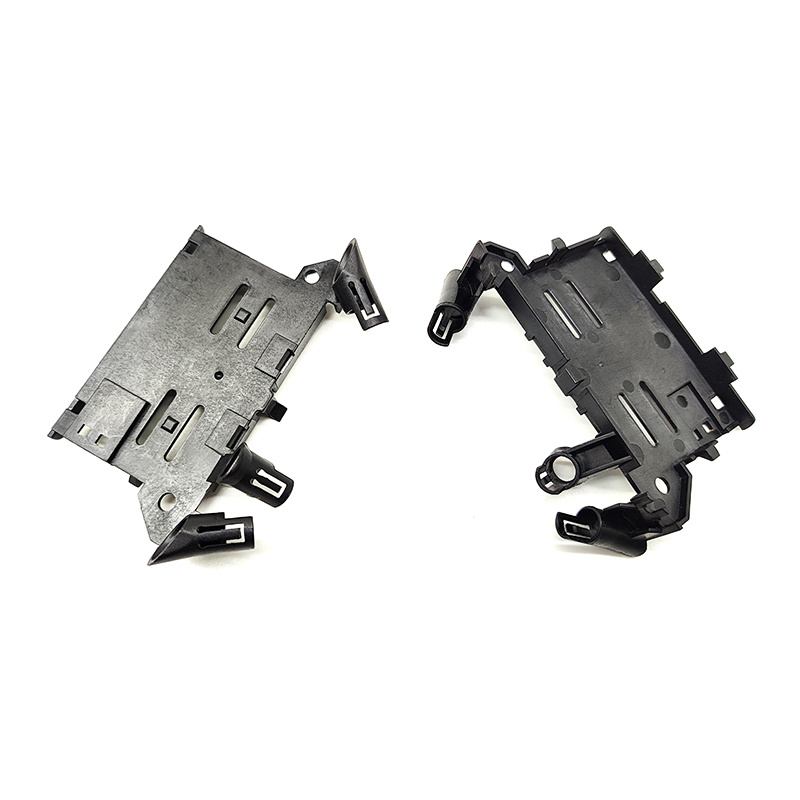
Additive manufacturing, commonly known as 3D printing, is one of the most revolutionary good price and quality prototype tooling techniques. This method involves building a product layer by layer from digital models, allowing for complex geometries that traditional manufacturing methods cannot achieve.
Benefits of Additive Manufacturing:
- Rapid Prototyping: Create prototypes quickly, enabling faster iterations.
- Cost-Effectiveness: Lower upfront costs compared to traditional tooling methods.
- Customization: Easily modify designs without significant additional costs.
3.2 Subtractive Manufacturing
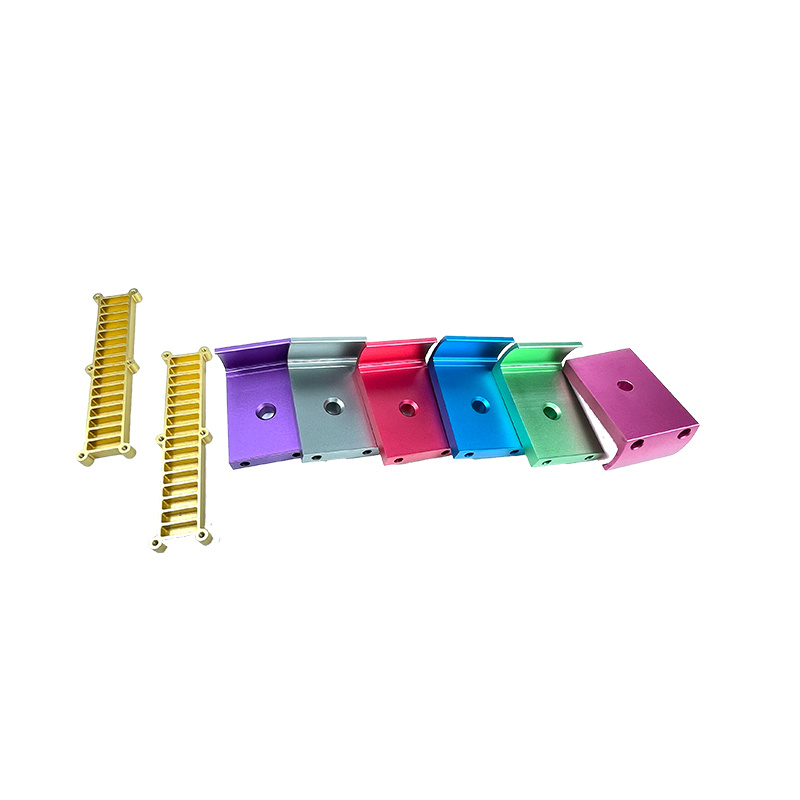
Subtractive manufacturing involves removing material from a solid block to create a part. Techniques such as CNC machining and milling fall under this category.
Advantages of Subtractive Manufacturing:
- Precision: Offers high accuracy and tight tolerances, essential for functional prototypes.
- Material Variety: Compatible with a wide range of materials, including metals and plastics.
- Durability: Produces robust prototypes suitable for testing under real-world conditions.
3.3 Hybrid Tooling Techniques
Hybrid tooling combines elements of both additive and subtractive manufacturing. This approach allows for the production of complex parts that require both precision and intricate designs.
Key Benefits of Hybrid Techniques:
- Efficiency: Reduces production time by combining processes.
- Versatility: Suitable for various applications and material types.
- Enhanced Functionality: Enables the creation of prototypes that exhibit both strength and complexity.
4. Choosing the Right Materials for Prototyping
Selecting appropriate materials is critical in good price and quality prototype tooling. The chosen materials impact the prototype's functionality, appearance, and cost.
Common Materials for Prototyping:
- Plastics: Such as ABS and PLA, suitable for lightweight prototypes.
- Metals: Ideal for functional prototypes requiring strength and durability.
- Composites: Provide unique properties, including lightweight and high strength.
When choosing materials, consider factors such as compatibility with the chosen tooling method, the prototype’s intended use, and budget constraints.
5. Best Practices in Prototype Tooling
To maximize the effectiveness of prototype tooling, adhering to best practices is essential.
1. Start with a Clear Design Brief: Outline objectives, specifications, and constraints before beginning the prototyping process.
2. Utilize CAD Software: Employ advanced computer-aided design tools to create precise and detailed models.
3. Prototype Iteratively: Embrace an iterative approach, allowing for continuous testing and refinement of designs.
4. Engage Stakeholders Early: Involve all relevant parties in the prototyping process to gather feedback and ensure alignment with project goals.
5. Document Everything: Keep comprehensive records of decisions, changes, and testing outcomes to inform future projects and iterations.
6. Common Challenges in Prototype Tooling and Solutions
While prototype tooling offers numerous benefits, it also presents challenges. Here are some common issues and their solutions:
1. Time Constraints: Prototyping can be time-consuming. Solution: Implement streamlined processes and prioritize rapid prototyping techniques.
2. Budget Overruns: Unforeseen costs can arise. Solution: Set a clear budget and allocate resources effectively.
3. Technical Limitations: Some designs may not be feasible with available technologies. Solution: Collaborate with experts to explore alternative methods or materials.
4. Quality Control: Ensuring prototypes meet quality standards is crucial. Solution: Establish rigorous testing protocols to identify and rectify issues early.
7. Real-World Case Studies of Successful Prototype Tooling
To illustrate the effectiveness of prototype tooling techniques, consider the following case studies:
Case Study 1: Consumer Electronics
A leading electronics manufacturer utilized 3D printing to rapidly prototype a new smartphone design. By testing multiple iterations, they identified ergonomic issues early, ultimately leading to a successful product launch.
Case Study 2: Automotive Industry
An automotive company employed hybrid tooling techniques to develop complex engine components. This approach reduced manufacturing time and improved part functionality, contributing to enhanced vehicle performance.
Case Study 3: Medical Devices
A medical device startup leveraged subtractive manufacturing to create precise prototypes of surgical instruments. The accuracy ensured compliance with regulatory requirements, facilitating quicker market entry.
In today's rapidly evolving market, effective prototype tooling is imperative for transforming innovative ideas into successful products. By understanding the various techniques and best practices, companies can minimize risks, enhance collaboration, and accelerate their time-to-market. Embracing a strategic approach to good price and quality prototype tooling not only leads to high-quality products but also positions businesses for long-term success in a competitive landscape.
Prototype tooling
Related news
2024-11-15