
Understanding Customized Low Volume Production in Manufacturing
Time:
2024-11-11 10:00
Source:
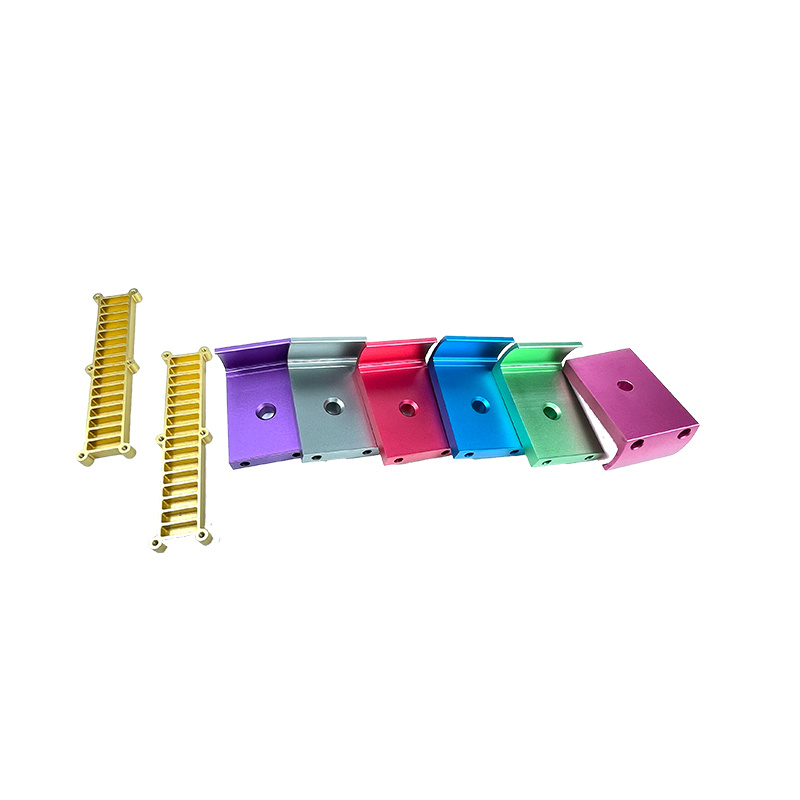
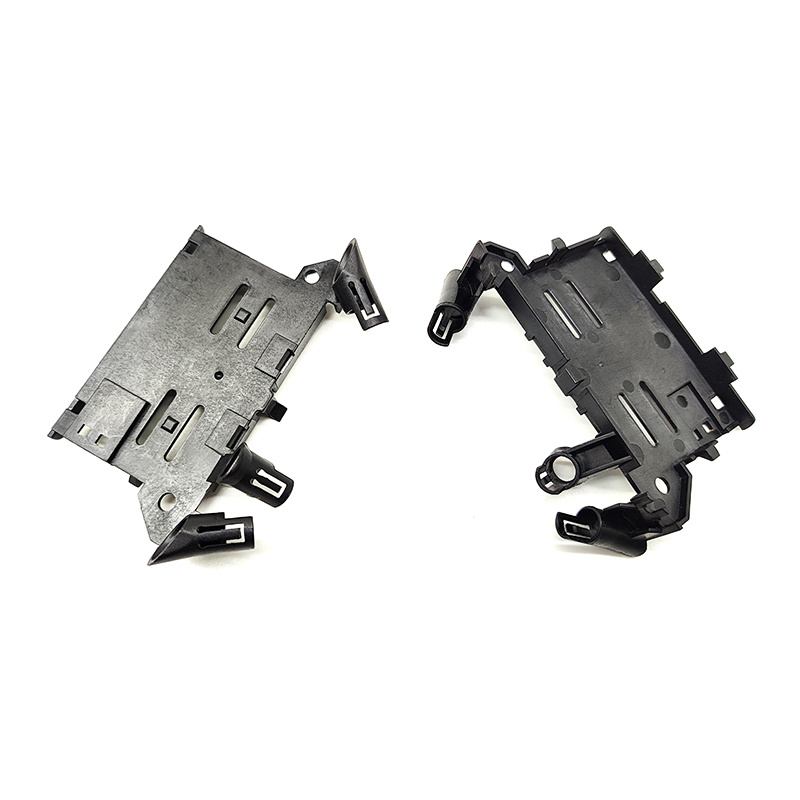
Customized Low volume production refers to the manufacturing of small quantities of parts or products, typically ranging from a few dozen to several hundred units. This approach is particularly relevant in industries such as machining and metalworking, where custom parts are often required for specialized applications. Understanding the fundamentals of low volume production can empower businesses to meet unique customer demands while controlling costs and maintaining quality.
One of the primary benefits of customized low-volume production is flexibility. Manufacturers can quickly adapt to changes in customer specifications or market trends without the need for large-scale investments in machinery or materials. This agility allows for faster turnaround times, enabling companies to respond promptly to customer requests. As a result, businesses can build stronger relationships with their clients by delivering tailored solutions that meet specific requirements.
Moreover, customized low volume production is ideal for prototyping and testing new designs. Businesses can produce limited runs of parts to evaluate their functionality and performance before committing to larger production runs. This iterative process not only reduces the risk of costly mistakes but also fosters innovation by allowing designers to refine their ideas based on real-world feedback.
Another crucial aspect of low volume production is its impact on inventory management. With smaller production quantities, companies can minimize their inventory holding costs and reduce the risk of overproduction. This is particularly important in industries where demand can be unpredictable, as it allows manufacturers to align production levels with actual market needs. Additionally, efficient inventory management contributes to a leaner operation, improving overall profitability.
When it comes to customized low-volume production, selecting the right manufacturing processes and technologies is essential. Advanced machining techniques, such as CNC machining and additive manufacturing, are often employed to achieve high precision and quality in small batches. These technologies can significantly enhance production efficiency while ensuring that the final products meet stringent quality standards.
Furthermore, collaboration with suppliers and partners can enhance the low volume production process. By establishing strong relationships with trusted vendors, manufacturers can secure high-quality materials and components necessary for their projects. This collaboration can also lead to shared expertise and resources, further streamlining production workflows.
In conclusion, customized low volume production presents a unique opportunity for manufacturing and machining professionals to meet niche market demands while maintaining a focus on quality and efficiency. By leveraging flexibility, optimizing inventory management, and utilizing advanced manufacturing techniques, businesses can thrive in today’s competitive landscape. For those in the industry, understanding and implementing customized low-volume production strategies can ultimately lead to greater customer satisfaction and long-term success.
low Volume production
Related news
2024-11-15