The Advantages of Rapid Prototyping: An In-Depth Exploration of Innovative Tooling Solutions
Time:
2025-01-13 08:00
Source:
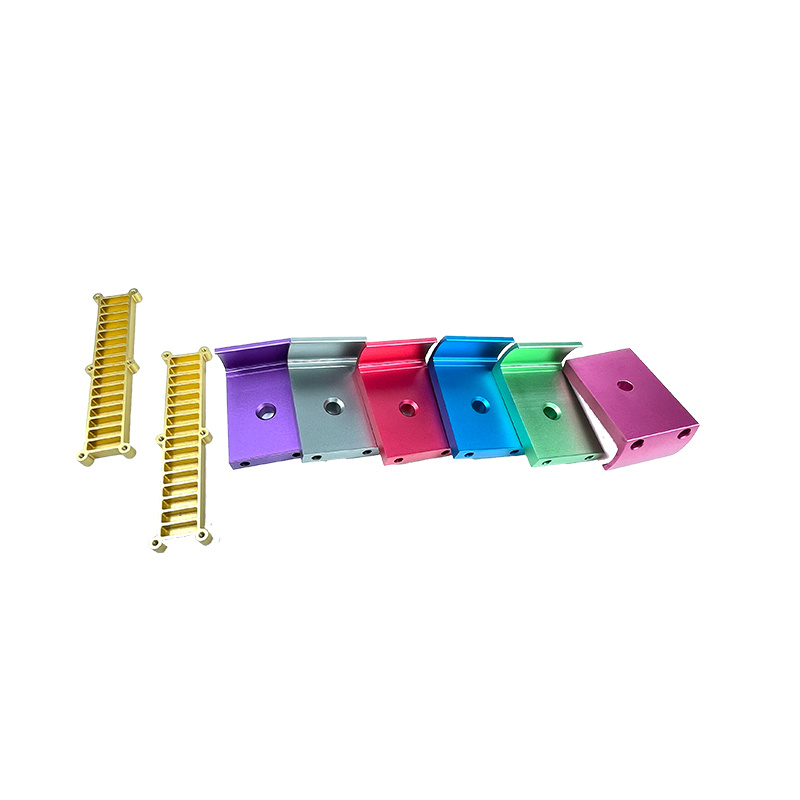
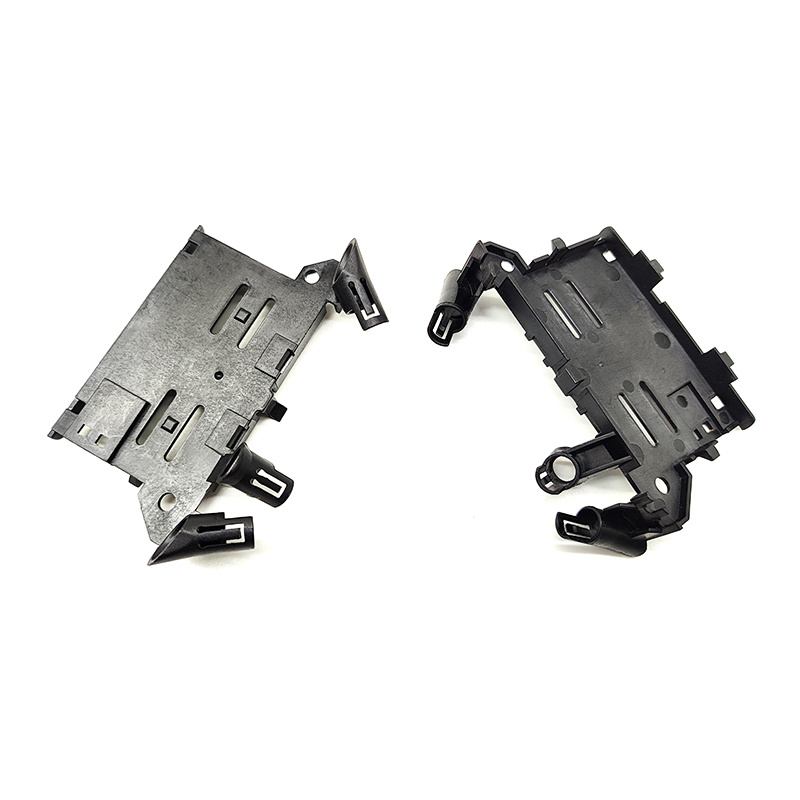
Rapid Prototype tooling refers to the quick fabrication of physical parts or assemblies using computer-aided design (CAD) data. This innovative manufacturing process allows designers and engineers to create models at a pace that traditional methods cannot match. It encompasses a range of technologies, including 3D printing, CNC machining, and injection molding, to produce prototypes swiftly and efficiently.
The primary goal of rapid prototyping is to reduce the time and cost associated with product development while enhancing design accuracy. By enabling iterative testing and modification, it allows for a faster feedback loop, ultimately leading to higher-quality end products.
The Evolution of Tooling Solutions in Manufacturing
Over the years, tooling solutions in manufacturing have undergone significant transformations. Traditional methods often required lengthy timelines and substantial financial investments, which could hinder innovation and responsiveness to market demands. However, the advent of rapid prototyping has altered the landscape, offering manufacturers the ability to adapt to changes more swiftly.
Historically, toolmaking was a laborious process, often involving trial and error to perfect a design. With the integration of digital technologies, manufacturers can now create virtual prototypes, reducing waste and enabling precise modifications before physical production begins. This evolution marks a crucial shift toward more agile and efficient manufacturing practices.
Key Benefits of Rapid Prototyping
Enhanced Design Accuracy
One of the most significant advantages of rapid prototyping is the enhanced design accuracy it offers. By allowing designers to create and test prototypes quickly, manufacturers can identify discrepancies early in the development process. This leads to better alignment with customer specifications and reduces the risk of costly revisions later on.
Cost-Effectiveness in Production
Rapid prototyping can be remarkably cost-effective, especially when compared to traditional tooling methods. By minimizing material waste and labor costs associated with lengthy development cycles, businesses can allocate their resources more efficiently. Furthermore, the ability to produce low-volume runs means companies can test market viability without committing to large-scale production.
Speeding Up Time-to-Market
In today’s fast-paced business environment, speed is paramount. Rapid prototyping significantly shortens the development timeline, allowing businesses to bring products to market faster. This rapid turnaround can be a competitive advantage, enabling companies to respond to customer demands and industry trends promptly.
Facilitating Complex Geometries
Modern manufacturing often requires intricate designs that can be challenging to produce using traditional methods. Rapid prototyping allows for the creation of complex geometries without the constraints of conventional tooling. This capability opens new avenues for innovation, enabling designers to explore unique solutions that enhance functionality and aesthetics.
Encouraging Innovation and Iteration
The iterative nature of rapid prototyping fosters a culture of innovation within organizations. Designers can quickly test ideas, receive feedback, and make necessary adjustments, leading to improved product designs. This cycle of experimentation not only enhances creativity but also increases the probability of developing successful products.
Applications of Rapid Prototyping in Various Industries
Rapid prototyping finds applications across a wide range of industries, including aerospace, automotive, consumer goods, and medical devices. Each sector benefits uniquely from this technology.
In the aerospace industry, rapid prototyping is used to develop lightweight components that optimize fuel efficiency. In automotive manufacturing, companies utilize rapid prototyping to accelerate the design of new models and ensure compliance with safety standards. The medical sector leverages this technology for custom implants and prosthetics, improving patient outcomes by tailoring designs to individual needs.
Choosing the Right Rapid Prototyping Technology
Selecting the appropriate rapid prototyping technology can be critical to achieving desired outcomes. Several options are available, including:
- 3D Printing: Ideal for producing intricate designs quickly, suitable for both prototyping and end-use parts.
- CNC Machining: Provides high precision and is effective for producing parts from various materials.
- Stereolithography (SLA): Offers excellent surface finish and detail, suitable for complex geometries.
- Selective Laser Sintering (SLS): Capable of creating durable prototypes from powdered materials.
When choosing a technology, manufacturers must consider factors such as material compatibility, production volume, and required precision.
Challenges and Considerations of Rapid Prototyping
While the advantages of rapid prototyping are substantial, challenges remain. The initial setup costs, particularly for advanced technologies, can be a barrier for smaller enterprises. Additionally, not all materials are suitable for rapid prototyping, which may limit design options.
Companies must also ensure they have the necessary expertise and training to operate rapid prototyping equipment effectively. Failure to do so can lead to suboptimal results and wasted resources.
Future Trends in Rapid Prototyping and Tooling
The future of rapid prototyping is promising, with emerging trends poised to enhance its capabilities further. Innovations in materials, such as bio-based and smart materials, are expanding the potential applications of rapid prototyping. Additionally, advancements in AI and machine learning are likely to streamline the design process and improve predictive modeling.
As industries increasingly embrace Industry 4.0, the integration of rapid prototyping with the Internet of Things (IoT) and advanced data analytics will enable more responsive and data-driven manufacturing practices.
Conclusion
Rapid prototyping is revolutionizing the manufacturing landscape, offering significant benefits that enhance design accuracy, cost-effectiveness, and speed-to-market. As businesses face increasing pressure to innovate and respond to market demands, embracing rapid prototyping technology becomes a strategic imperative.
The ability to rapidly create and test prototypes not only fosters innovation but also positions companies to thrive in a competitive environment. By leveraging the advantages of rapid prototyping, manufacturers can ensure they remain at the forefront of their industries, driving progress and delivering exceptional products to their customers.
Prototype tooling
Related news
2024-11-15