
Understanding Low Volume Production in Machining and Hardware Manufacturing
Time:
2025-01-06 10:20
Source:
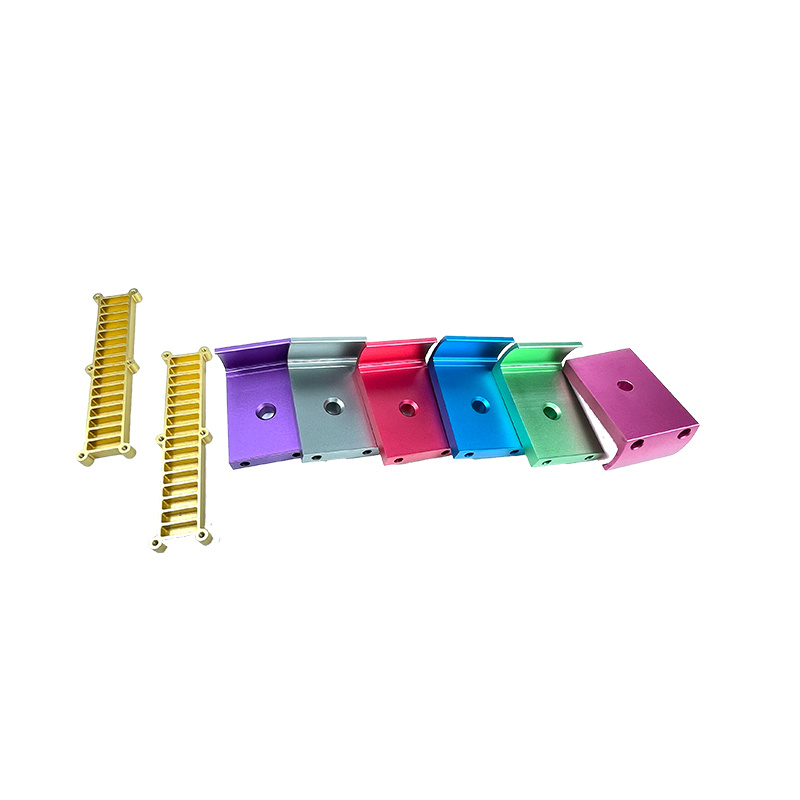
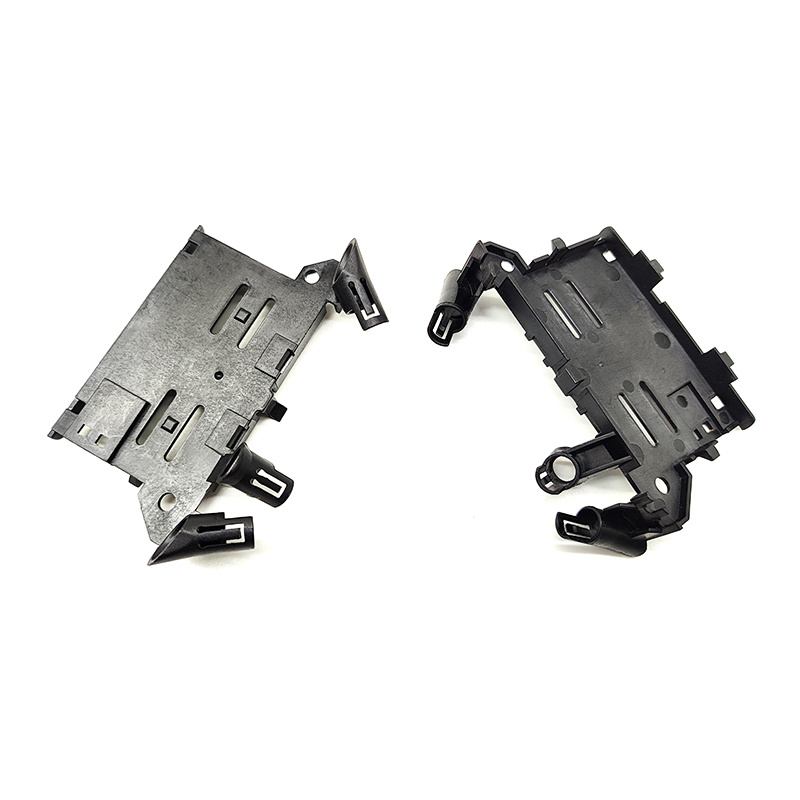
Customized Low volume production refers to the manufacturing process where products are produced in limited quantities, typically ranging from a few units to a few hundred. This approach is particularly advantageous for industries that require specialized parts or custom solutions but do not necessitate mass production. In the realm of machining and hardware manufacturing, low-volume production presents several unique benefits and challenges.

One of the primary advantages of customized low volume production is the flexibility it offers. Manufacturers can quickly adapt to changing market demands or customer specifications, allowing for a more responsive approach to production. This adaptability is crucial in industries where technology and design are continuously evolving, enabling companies to stay competitive by offering innovative and tailored solutions.
Another significant benefit is the reduction in inventory costs. By producing smaller quantities, manufacturers can minimize the risks associated with overproduction, such as excess inventory that may become obsolete or require costly storage solutions. This lean manufacturing approach not only conserves resources but also streamlines operations, improving overall efficiency.
Moreover, low volume production allows for a higher degree of customization. Manufacturers can work closely with clients to develop specific parts that meet unique requirements, ensuring that the final product is perfectly aligned with customer expectations. This level of customization can lead to enhanced customer satisfaction and loyalty, as clients feel their specific needs are being addressed.
However, customized low volume production does present certain challenges. One major consideration is the need for efficient setup and changeover processes. Unlike mass production, where setups can be optimized for long runs, customized low volume production often necessitates frequent changes in tooling and equipment. This can lead to increased downtime and higher production costs if not managed effectively.
Additionally, achieving consistent quality across small batches can be more challenging. Manufacturers must implement rigorous quality control measures to ensure that each component meets the required standards, which can be resource-intensive. It is crucial to establish solid processes and utilize advanced technologies, such as CNC machining and precision tooling, to maintain high quality in low volume production.
Customized low volume production plays a vital role in the machining and hardware manufacturing sectors. By leveraging its flexibility, reducing inventory costs, and promoting customization, manufacturers can effectively meet the demands of their clients. However, to succeed in this realm, it is essential to address the unique challenges it presents, particularly concerning setup efficiency and quality assurance. Embracing these practices will enable companies to thrive in an increasingly competitive landscape.
Low volume production
Related news
2024-11-15