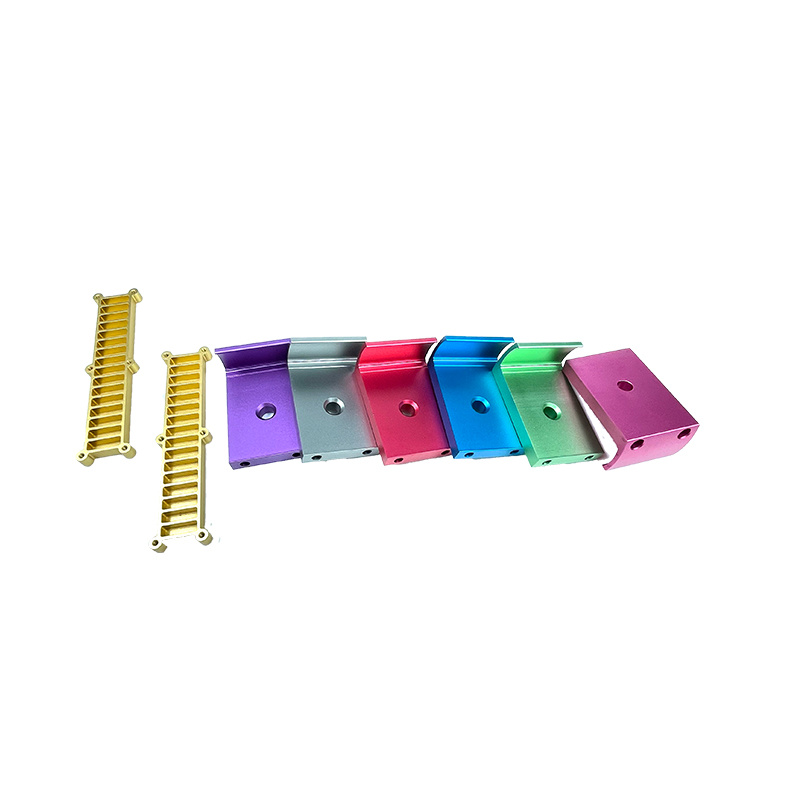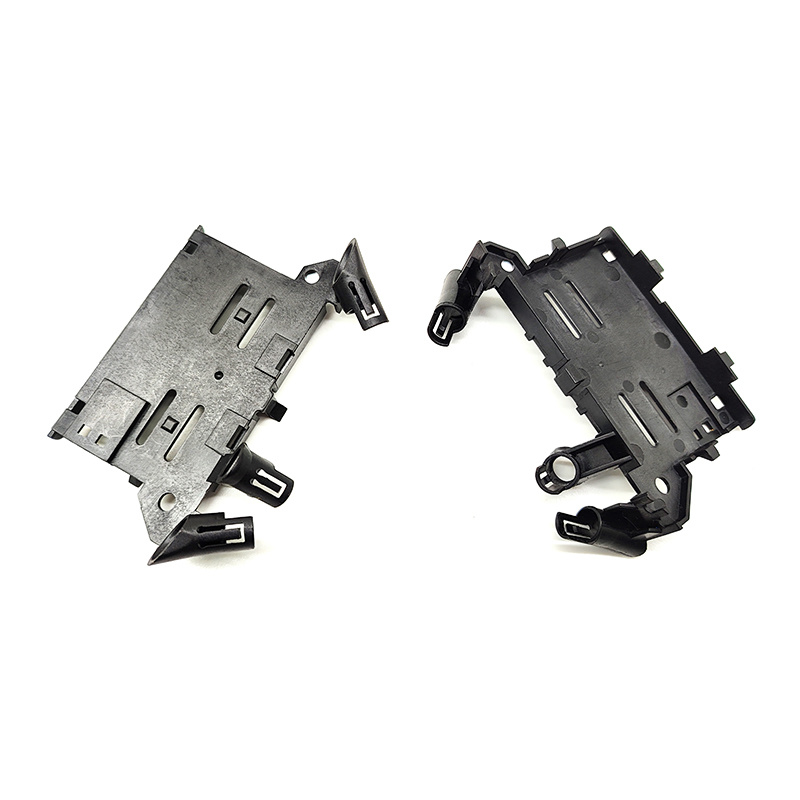

Unlocking Efficiency: The Role of Cheap Rapid Prototyping in CNC Machining Products
Time:
2024-10-12 10:40
Source:
1. Introduction to Rapid Prototyping in CNC Machining
CNC machining has transformed the manufacturing landscape, enabling the production of intricate components with remarkable precision. Rapid prototyping complements this technology by allowing manufacturers to create quick, cost-effective prototypes that facilitate faster design iterations and improved product development. As businesses strive for efficiency and innovation, understanding the role of Cheap rapid prototyping CNC machining products is essential.
2. Understanding Rapid Prototyping
Rapid prototyping products refers to a collection of techniques used to produce physical models and digital designs quickly. These models serve as prototypes for testing concepts, validating designs, and refining product specifications before full-scale production begins. Rapid prototyping employs various methods, including additive manufacturing, subtractive manufacturing, and hybrid approaches.
3. Advantages of Rapid Prototyping in CNC Machining
The integration of Cheap rapid prototyping CNC machining offers numerous benefits that streamline the manufacturing process and enhance overall productivity.
3.1 Enhanced Design Accuracy
One of the primary advantages of rapid prototyping is the ability to produce highly accurate models. These prototypes enable engineers to identify design flaws early in the development process, reducing the risk of costly mistakes during production. By having a tangible model, teams can conduct comprehensive evaluations, ensuring that the final product meets specifications and performance standards.
3.2 Reduced Lead Time
Rapid prototyping significantly cuts down the lead time associated with product development. Traditional methods often require extensive time for the design and testing phases, whereas rapid prototyping allows for quick iterations. This accelerated timeline enables companies to bring products to market faster, providing a competitive edge in an ever-evolving landscape.
3.3 Cost-Effectiveness
Investing in Cheap rapid prototyping CNC machining products can lead to substantial cost savings. By identifying design issues early and minimizing material waste, businesses can avoid the financial burdens associated with reworking or scrapping faulty products. Additionally, the ability to test multiple iterations of a design without the expense of full production runs further enhances cost efficiency.
4. How Rapid Prototyping Works with CNC Machining
Understanding how rapid prototyping integrates with CNC machining is crucial for realizing its full potential. This section explores the methodologies involved in rapid prototyping and their relationship with CNC processes.
4.1 Materials Used in Rapid Prototyping
The choice of materials for rapid prototyping can vary widely based on the intended application. Common materials include:
- Plastics: Lightweight and easily moldable, plastics are often used for functional prototypes.
- Metals: Suitable for parts requiring strength and durability, metal prototypes are typically produced using CNC machining.
- Composites: Offering a balance of strength and weight, composite materials are gaining popularity in specialized applications.
By selecting the right materials, manufacturers can optimize prototypes for specific tests and evaluations.
4.2 Techniques for Rapid Prototyping
There are several techniques employed for rapid prototyping, each with its unique advantages:
- Stereolithography (SLA): Utilizes a laser to cure liquid resin into solid parts, ideal for detailed models.
- Fused Deposition Modeling (FDM): Involves extruding thermoplastic filament layer by layer, offering a versatile and cost-effective solution.
- Selective Laser Sintering (SLS): Laser sinters powdered material into solid objects, suitable for functional prototypes and complex geometries.
These techniques enhance the capabilities of CNC machining by allowing for rapid iterations and modifications.
5. Real-world applications of Rapid Prototyping in CNC Machining Products
Rapid prototyping finds applications across various industries, demonstrating its versatility and effectiveness in improving CNC machining processes. Some notable applications include:
- Aerospace: Prototyping components for aircraft and spacecraft to ensure safety and performance.
- Automotive: Developing parts for vehicles, allowing for extensive testing and refinement before mass production.
- Medical Devices: Creating precise tools and implants tailored to individual patient needs, enhancing surgical outcomes.
These real-world applications highlight how rapid prototyping not only accelerates development but also fosters innovation.
6. Challenges of Cheap Rapid Prototyping in CNC Machining Products
While rapid prototyping offers numerous benefits, it is not without challenges. Some common obstacles include:
- Material Limitations: Not all materials are suitable for every prototyping method, which can restrict design options.
- Resolution Constraints: Some rapid prototyping techniques may not achieve the desired level of detail or finish required for specific applications.
- Integration Issues: Coordinating rapid prototyping with existing CNC processes can present logistical challenges.
Navigating these challenges requires careful planning and consideration of the best practices in the industry.
7. Future Trends in Rapid Prototyping and CNC Machining
As technology continues to evolve, the future of rapid prototyping in CNC machining looks promising. Anticipated trends include:
- Increased Automation: Automation solutions will streamline the prototyping process, reducing human error and enhancing productivity.
- Advanced Materials: The development of new materials will expand the possibilities for rapid prototyping, allowing for more functional and durable prototypes.
- Enhanced Software Solutions: Improved design software will facilitate better integration of rapid prototyping with CNC machining, optimizing workflows and collaboration.
These trends indicate a shift toward more efficient, effective, and innovative manufacturing practices.
8. Conclusion
In conclusion, Cheap rapid prototyping CNC machining products play a pivotal role in unlocking efficiency within CNC machining. By enabling quick iterations, enhancing design accuracy, and reducing costs, it empowers manufacturers to innovate and respond to market demands effectively. As industries continue to embrace rapid prototyping, understanding its intricacies and applications will be essential for staying competitive in the manufacturing landscape.
rapid prototyping CNC machining
Related news
2024-11-15