Key Considerations When Choosing Cheap Plastic Moulding for Your Project
Time:
2025-08-01 22:40
Source:
Key Considerations When Choosing Cheap Plastic Moulding for Your Project
Introduction to Plastic Moulding
Plastic moulding is a vital process in the manufacturing sector, allowing for the creation of intricate designs and components with precision. It involves shaping plastic materials into desired forms using various techniques such as injection moulding, blow moulding, and thermoforming. Choosing the right plastic moulding for your project is crucial, especially when budget constraints necessitate the selection of cheap options. However, affordability should not compromise quality and functionality.
In this article, we will explore key considerations to keep in mind when opting for inexpensive plastic moulding solutions that align with your project needs.
Understanding Your Project Requirements
Defining Your Goals
Before diving into the selection process, it's essential to clearly define the goals of your project. Are you looking for a specific aesthetic, durability, or functionality? Understanding these objectives will guide you in choosing the right moulding type and materials.
Assessing the Intended Use
The purpose of the final product plays a significant role in determining the moulding options available to you. Consider whether your product will be used in a high-stress environment, require food safety standards, or need to withstand temperature fluctuations. These factors can impact your choice of plastic and moulding technique.
Material Quality and Type
Polymer Selection
When choosing cheap plastic moulding, the type of polymer used is paramount. Common materials include:
- **Polypropylene (PP)**: Known for its versatility and low cost, PP is suitable for a variety of applications, like containers and automotive parts.
- **Polyethylene (PE)**: Renowned for its durability and chemical resistance, PE is ideal for packaging solutions.
- **Acrylonitrile Butadiene Styrene (ABS)**: This material offers high impact resistance and is perfect for consumer products.
Assess the specific properties of each material to ensure they align with your project requirements.
Quality Assurance and Testing
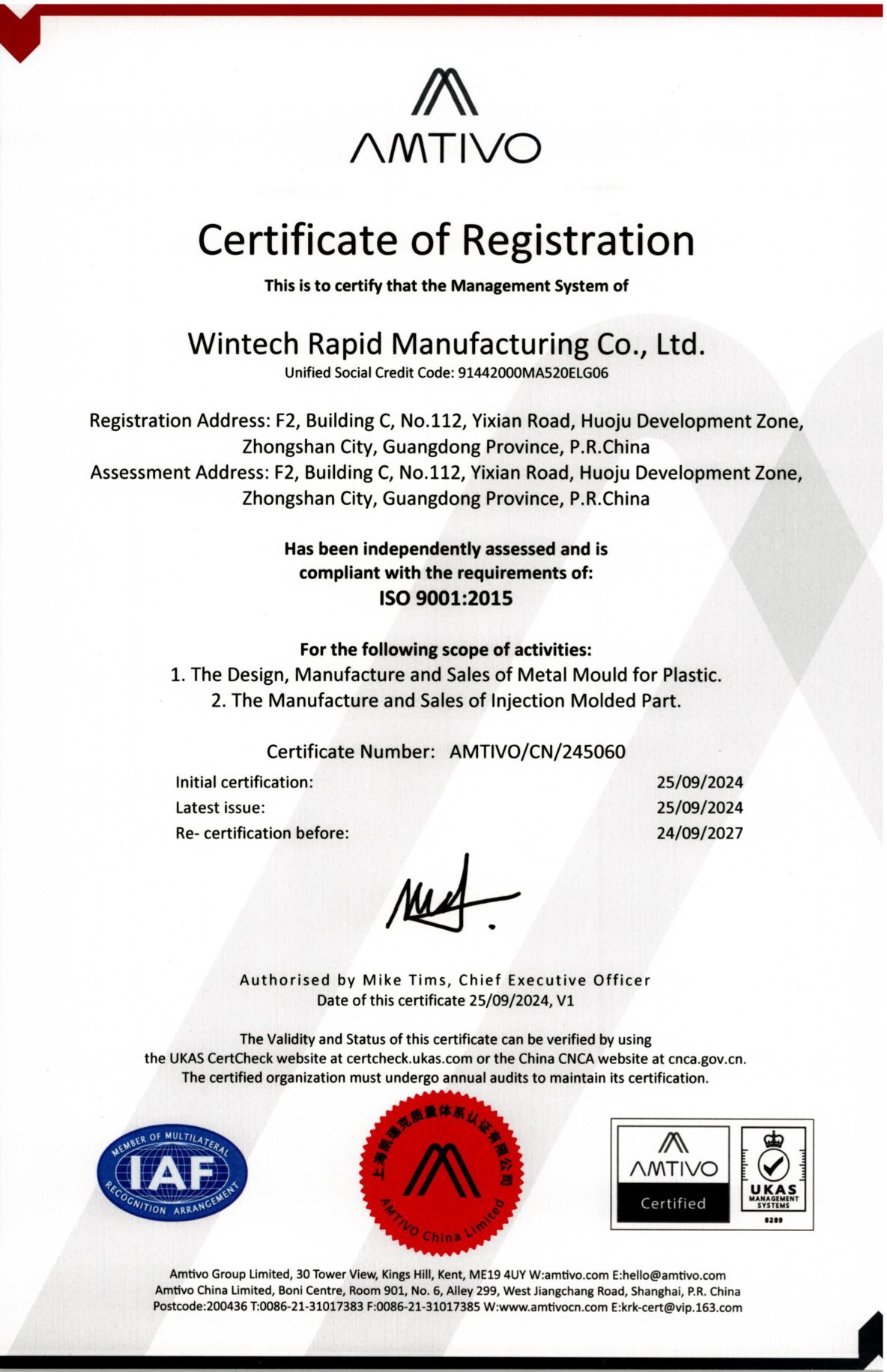
Just because a moulding is inexpensive does not mean it should be of inferior quality. Look for manufacturers that carry out rigorous quality assurance processes. Request samples to evaluate the quality and performance of the moulding. Certifications such as ISO can also indicate adherence to quality standards.
Design Flexibility and Capabilities
Evaluating Mould Design Options
The design of the mould plays a crucial role in the overall efficiency and cost-effectiveness of the production process. Cheap moulds may come with limitations in terms of design complexity. Ensure that the moulding service you choose can accommodate your desired design specifications without compromising quality.
Customization Opportunities
Customization is often a key aspect of plastic moulding. Determine whether the manufacturer offers customization options that meet your specific requirements. This could include variations in size, shape, color, and texture.
Production Efficiency and Turnaround Time
Assessing Manufacturing Processes
Different moulding techniques come with varying production rates. For example, injection moulding is efficient for high-volume production but may have higher initial costs due to mould creation. Conversely, blow moulding might be suitable for lower volumes but can result in longer production times.
Consider your project timeline and choose a method that aligns with your deadlines while keeping costs manageable.
Supplier Lead Times
When selecting a manufacturer, inquire about their lead times. Quick turnarounds can be crucial, especially for time-sensitive projects. Ensure that the supplier can meet your production schedule without sacrificing quality.
Cost-Effectiveness and Budget Management
Evaluating Overall Costs
While seeking cheap plastic moulding options, it's essential to consider the overall costs involved, not just the initial price. Factor in expenses related to materials, production, shipping, and potential revisions. A lower upfront cost might lead to higher long-term expenses if the product fails to meet quality or performance standards.
Hidden Costs to Consider
Beware of hidden costs that could arise during the production process. This may include tooling fees, setup charges, or additional charges for modifications. Discuss these potential costs upfront to avoid surprises later in the project.
Choosing the Right Manufacturer
Researching Potential Suppliers
Choosing the right manufacturer is a crucial step in ensuring the success of your project. Conduct thorough research on potential suppliers, looking for those with a proven track record in delivering quality products at competitive prices.
Requesting Quotes and Prototypes
Once you've narrowed down your options, request quotes from multiple suppliers. Additionally, ask for prototypes to evaluate the quality and functionality of the moulding. This step will help you make an informed decision based on tangible evidence.
Post-Production Considerations
Quality Control and Inspection
After production, it is vital to implement quality control measures. Conduct thorough inspections of the finished products to ensure they meet the necessary standards. A reputable supplier should have a clear process for quality control.
Feedback and Continuous Improvement
After your project is complete, gather feedback from your team and end-users. This information can help you identify areas for improvement in future moulding projects, leading to better product outcomes.
Frequently Asked Questions (FAQs)
1. What is the difference between injection moulding and blow moulding?
Injection moulding is ideal for creating complex shapes with high precision, while blow moulding is typically used for producing hollow plastic items like bottles.
2. How can I ensure the quality of cheap plastic moulding?
Request samples, check for certifications, and investigate the manufacturer's quality assurance processes to ensure the quality of cheap plastic moulding.
3. What are the most commonly used plastics in moulding?
Common plastics include polypropylene (PP), polyethylene (PE), and acrylonitrile butadiene styrene (ABS), each offering different properties for various applications.
4. How do I choose the right moulding technique for my project?
Consider factors such as design complexity, production volume, timeline, and budget when selecting the appropriate moulding technique.
5. Are there any environmental considerations when choosing plastic moulding?
Yes, consider using recyclable materials or manufacturers that adhere to sustainable practices to minimize your project's environmental impact.
Conclusion
Choosing cheap plastic moulding for your project requires careful consideration of various factors, including material quality, design capabilities, production efficiency, and cost-effectiveness. By thoroughly assessing your project requirements and evaluating potential suppliers, you can make informed decisions that balance affordability with quality. Implementing effective quality control measures and gathering feedback post-production will further enhance your outcomes. With the right approach, you can successfully integrate affordable plastic moulding solutions into your manufacturing processes, ultimately leading to a successful project completion.
cheap plastic moulding
Related news
2024-11-15